How can gathering and organizing information about ecosystems help you better understand the interactions amongthe different elements in an ecosystem?
Gathering and organizing information about ecosystems is crucial for understanding the intricate web of interactions among their elements. Aqui está como:
1. Identifying Key Components: *
Species Inventory: Listing the plants, animals, fungi, and microorganisms present provides a foundation for understanding the ecosystem's biodiversity.
*
Habitat Mapping: Creating a map of different habitat types within the ecosystem reveals the spatial distribution of species and their resources.
*
Disponibilidade de recursos: Os dados sobre disponibilidade de água, composição do solo, níveis de luz solar e conteúdo de nutrientes ajudam a determinar a capacidade de transporte e a concorrência de recursos do ecossistema.
2. Understanding Relationships: *
Food Webs: Mapping the feeding relationships between organisms shows energy flow and how changes in one species can impact others.
*
Competition and Cooperation: Gathering data on interspecific and intraspecific competition for resources and symbiotic relationships illuminates how organisms interact.
*
Predator-Prey Dynamics: Tracking population fluctuations of predators and prey reveals their influence on each other and overall ecosystem stability.
3. Recognizing Patterns and Trends: *
Ecological Succession: Observing changes in species composition over time helps understand how ecosystems evolve and adapt.
*
Climate Change Impacts: O monitoramento das tendências de longo prazo de temperatura, precipitação e outros fatores climáticos revela seus efeitos na abundância de espécies, distribuição e funções do ecossistema.
*
Human Impacts: Assessing the effects of deforestation, pollution, and other human activities allows for informed management and conservation efforts.
4. Predicting and Managing Ecosystems: *
Conservation Strategies: Understanding ecosystem dynamics guides conservation efforts by identifying vulnerable species and habitats that require protection.
*
Restoration Projects: Information on historical ecosystems aids in restoring degraded areas and reintroducing lost species.
*
Sustainable Management: Os dados sobre o uso de recursos, a dinâmica da população e a capacidade de transporte permitem o desenvolvimento de práticas sustentáveis para extração de recursos e uso da terra.
Organizing Information: *
Databases: Digital databases allow for efficient storage, analysis, and sharing of data.
*
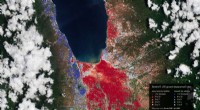
Maps and GIS: Geographic Information Systems (GIS) visualize spatial relationships and create interactive maps for better understanding.
*
Models: Mathematical models simulate ecosystem processes and predict the effects of different scenarios.
In conclusion, gathering and organizing information about ecosystems is vital for unraveling the complex interactions among its elements. Esse conhecimento nos capacita a tomar decisões informadas para a conservação, restauração e gestão sustentável dos preciosos ecossistemas de nosso planeta.